
What an In-Home Private Yoga Session in San Francisco Feels Like
Turn Your Living Room Into a Calm Yoga Sanctuary
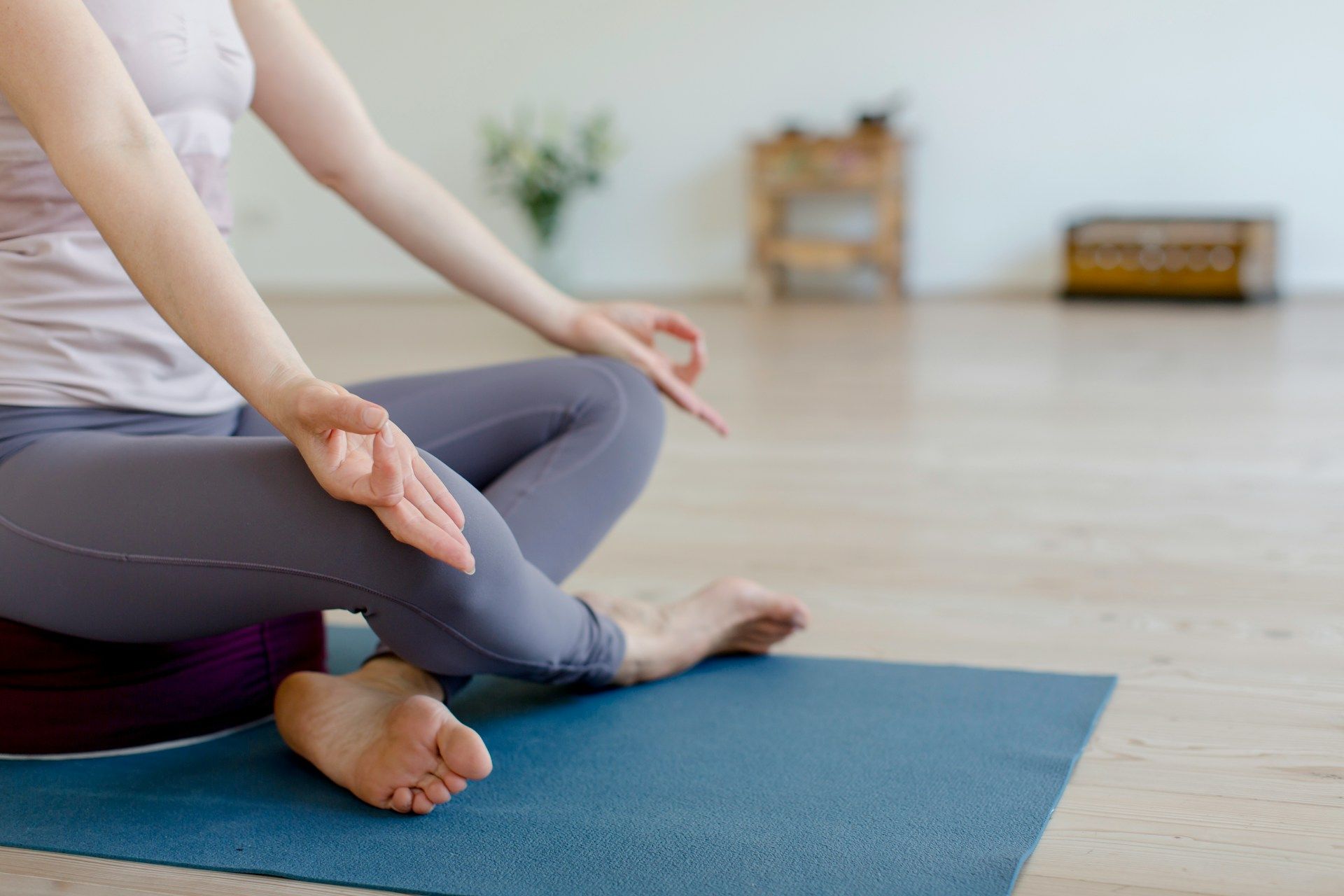
An in-home private yoga session is a simple way to get real support without fighting traffic or squeezing into a packed studio. Your instructor comes to you, so you can step onto your mat just a few feet from your couch, then step right into a shower or dinner afterward.
With in-home private yoga, everything is centered around you. Unlike a group class, there is no guessing if you are doing a pose safely, no racing across town, and no sharing energy with a big crowd when you are already tired. Unlike a virtual session, your instructor can see details in your alignment and respond to what is happening in real time.
For many people in San Francisco, this kind of practice is especially helpful during darker, colder months. It saves time spent on buses or in a car, supports your nervous system when life feels full, and gives you a calm space in the place you already live. Private yoga instructors can visit homes across neighborhoods like the Haight and Mission so you do not have to leave your block.
In the sections below, we will walk through how to set up your space, stay safe, use props, and feel comfortable with the etiquette of inviting an instructor into your home.
Getting Your Space Ready for in-Home Yoga
You do not need a huge, open loft for a private yoga session. A simple rule of thumb is this: if you can roll out a yoga mat and stretch your arms overhead and out to the sides without hitting furniture, you likely have enough room.
In a typical San Francisco apartment, that might look like:
- Pushing a coffee table to the side of the living room
- Clearing a rectangle at the foot of your bed
- Using a bright corner near a window for natural light
Comfort and ambiance matter, but they do not have to be fancy. Soft lamp light usually feels more relaxing than harsh overhead lights. On cold mornings or foggy evenings, it helps to:
- Warm the room a little before your instructor arrives
- Have a light sweater or socks nearby
- Crack a window if you like fresh air, as long as you stay warm
Noise is part of city life. If you can, turn off the TV, lower any music, and let others in the home know you will be in yoga for the hour. Some people like to keep a phone nearby on silent, just in case of emergencies, but not within arm’s reach so it does not pull focus.
If your session is hybrid, your instructor might play music from a small speaker or have a device handy as a backup for virtual support. Pets can sometimes join, but it is often easier to place excited dogs or curious cats in another room so you can relax. Roommates and partners can walk through if needed; a quick “we are in yoga for the next hour” ahead of time usually helps.
If you live with limited mobility, injuries, or chronic conditions, let your instructor know before the first visit. You can:
- Share where you prefer to practice, like near a sturdy chair or bed
- Mention if stairs are difficult or off-limits
- Talk about what movements feel good and what you are unsure about
This helps your instructor plan a session that fits your body and your actual home layout.
Safety, Boundaries, and Trust with Your Instructor
Safety in private yoga starts long before the first pose. A good intake process gives space for you to share your health history, injuries, surgeries, and personal goals. You might want support with stress relief, strength, prenatal needs, or working around old pain. The more honest you are, the more your instructor can support you.
Consent around touch is also key. Many private yoga instructors are trauma-informed and use clear consent practices. That can look like:
- Asking if you are open to any hands-on assists at all
- Checking in during class if something changes
- Offering only verbal cues or visual demonstrations when you prefer no touch
You always have the right to change your mind during a session. A simple “no touch today” or “please skip hands-on assists in this pose” is enough.
Physical safety at home is mostly about removing small hazards. Before class, you can:
- Move loose rugs or secure the edges
- Clear toys, bags, and cables from the practice area
- Have water nearby so you do not need to walk across the room mid-flow
Tell your instructor about any recent pain, even if it feels minor. If something feels sharp, dizzy, or just not right in a pose, say so right away. Yoga should feel challenging at times, but never unsafe.
Emotional boundaries matter just as much. It is completely fine to say:
- “I would love a quiet practice with less talking today.”
- “Can we keep the focus on grounding and not on goals right now?”
- “I prefer to avoid certain topics while I am on the mat.”
Holidays, family visits, and work deadlines can bring up a lot. Your instructor is there to support your whole self, not just your hamstrings.
You also deserve to feel safe having someone in your home. You can decide which rooms are off-limits, how you like to handle the door, and where your instructor can leave shoes and belongings. Bathroom access is standard, but you never have to open up more space than feels comfortable. A community grounded in inclusivity, especially for LGBTQ+ students and allies, can make this feel like a shared, respectful space instead of a formal appointment.
Props, Gear, and How to Work with What You Have
One nice part of in-home private yoga is that your instructor can often bring props to you. That might include items like blocks, straps, bolsters, and blankets, or specialty props for restorative, prenatal, or gentle therapeutic work.
If you do not own much gear yet, your instructor can also help you work with what is already in your home. Common household stand-ins include:
- Firm pillows or folded blankets for support under hips or knees
- Stable books wrapped in a towel as makeshift blocks
- A scarf or belt as a strap
- A sturdy dining chair for balance or seated poses
For mats and floors, a slightly grippy surface helps a lot. On hardwood, a yoga mat with good traction keeps you from sliding. On carpet, a slightly thicker mat can feel more stable. When the air is cool and dry, some people find their hands slip less, but it is still useful to have a towel nearby if your palms get sweaty.
During colder months, props that keep you warm and cozy can change the whole mood. Think:
- A soft blanket for Savasana or seated work
- Warm socks and layers you can add or remove
- An eye pillow or small towel to cover your eyes
To make future practice easy, many people create a simple “yoga basket” or shelf with mat, props, and a small towel. That way, when your instructor arrives, setup takes just a minute, and it is easier to practice on your own between sessions.
In-Home Private Yoga Etiquette That Feels Natural
Etiquette for home sessions does not need to feel stiff or formal. A few simple habits help the time feel grounded and respectful for you and your instructor.
Before your instructor arrives, it helps to:
- Be dressed in comfortable, easy-to-move-in layers
- Finish any heavy meal at least a bit before practice
- Silence your phone or switch it to “do not disturb” when possible
- Clear the small practice area you picked
When they arrive, a friendly greeting and a quick tour of the practice spot are enough. You can show where they can place a bag, point out the restroom, and let them know if there are any house quirks, like sticky doors or sensitive smoke alarms. You do not need a spotless home, fancy candles, or a spa-like setup. Real life is welcome.
During class, speaking up is a sign of a healthy practice, not a disruption. You can:
- Ask for a modification if something hurts or feels too intense
- Request more challenge if you want to work harder
- Say if you feel lightheaded or need a pause
If you have kids, pets, or housemates, it helps to expect a little movement in and out of the space. Some clients like to include older kids in a few simple poses, then guide them to another activity. Others set up a quiet game or show for the duration of the session. The goal is a calm-enough space, not total silence.
Payment, tipping, and cancellations are usually covered in advance when you book, which helps everyone plan. Respecting the agreed cancel window lets private yoga instructors keep a reliable schedule, and also gives you a clear structure to commit to your own practice time.
Book Your First Home Session with Confidence
In-home private yoga can fit into small San Francisco apartments and full schedules. With just enough floor space for a mat, a few simple props, and clear communication, you can have a deeply personal, grounding practice without leaving your home.
Many people worry that they are not flexible enough, that their space is not “nice,” or that they will feel awkward moving on a mat in front of someone. Private yoga is built around the opposite idea. Your instructor meets you exactly where you are, in the body and home you have right now, and works with your energy, not against it. Over time, your living room can start to feel less like a stressful catch-all and more like a place where you come back to yourself.
Transform Your Practice With Personalized Yoga Support
If you are ready to deepen your practice with guidance tailored to your body and goals, our
private yoga instructors are here to support you. At Haum Yoga Studio, we listen carefully so we can design sessions that meet you exactly where you are. Whether you want relief from tension, help with alignment, or a calmer mind, we will craft a plan that works for your schedule and comfort level. Have questions or want to schedule your first session, reach out to us through our
contact page.
Recent Posts