
DIY Weekend Yoga Retreat at Home in San Francisco: 2-Day Schedule
Turn Your Weekend Into a San Francisco Yoga Retreat
A weekend at home can feel just as spacious as a trip out of town when we treat it with care. A DIY San Francisco yoga retreat is a simple way to reset our body, mind, and schedule without packing a bag or sitting in traffic on the bridge.
City life can stack up fast, especially as the year leans toward its busy end. Work deadlines, social plans, and foggy, chilly mornings can leave us tired and disconnected. A retreat is simply time where we step out of our default habits and into intention: movement, reflection, rest, and a bit of quiet joy. No studio booking is required.
Here, we are sharing a two-day, self-guided schedule you can try any weekend. It includes neighborhood walks, fog-friendly outdoor time, easy meals, and restorative sequences you can do in a small apartment. At Haum Yoga Studio, with homes in the Mission District and Haight-Ashbury, we care about creating an inclusive, queer-friendly yoga community. This at-home plan is built with that same San Francisco-aware, all-bodies-welcome approach.
Design Your at-Home Sanctuary Before the Weekend
Before the weekend starts, set up a simple space that tells your brain, “Retreat mode is on.”
Create a low-key home altar or practice zone with things you already have:
- Yoga mat or a towel on the floor
- One or two folded blankets
- A couple of pillows or cushions
- Soft lighting, like a lamp, candles, or string lights
- A meaningful object, like a photo, plant, stone, or journal
Fall in San Francisco can feel chilly and damp, so think about comfort for your senses:
- Cozy socks, a hoodie, or layers you can peel off as you warm up
- A thermos or mug of ginger tea, chai, or warm lemon water
- A mellow playlist that feels grounding and helps soften street noise
Set compassionate boundaries with the outside world and with yourself. You might:
- Put an auto-reply on email for the main retreat hours
- Silence notifications or move your phone to another room
- Tell roommates or family which blocks of time you are “on retreat,” and where you are open to being interrupted
Then, write down a simple intention for the weekend. Keep it short and clear, like:
- “I want more rest and softness.”
- “I want clarity around my next step at work.”
- “I want to release some stress I have been holding.”
Underneath, list 1 or 2 non-negotiables, such as:
- No doom-scrolling in bed
- No work email after a certain time
- At least one walk outside each day
Day One: Grounding Flow, Mission Walks, and Nourishing Meals
Start Day One with a 60- to 75-minute grounding practice at home. Move slowly, and let your breath lead the pace. Here is a simple outline:
- Centering, 5 minutes: Sit or lie down, notice your breath, and feel the contact points between your body and the floor.
- Gentle warm-up, 10 to 15 minutes: Cat-cow, easy side stretches, gentle lunges, wrist and ankle circles.
- Slow sun salutations, 15 to 20 minutes: Move through a few rounds at a relaxed speed. Skip chaturangas if they do not feel good and lower your knees as needed.
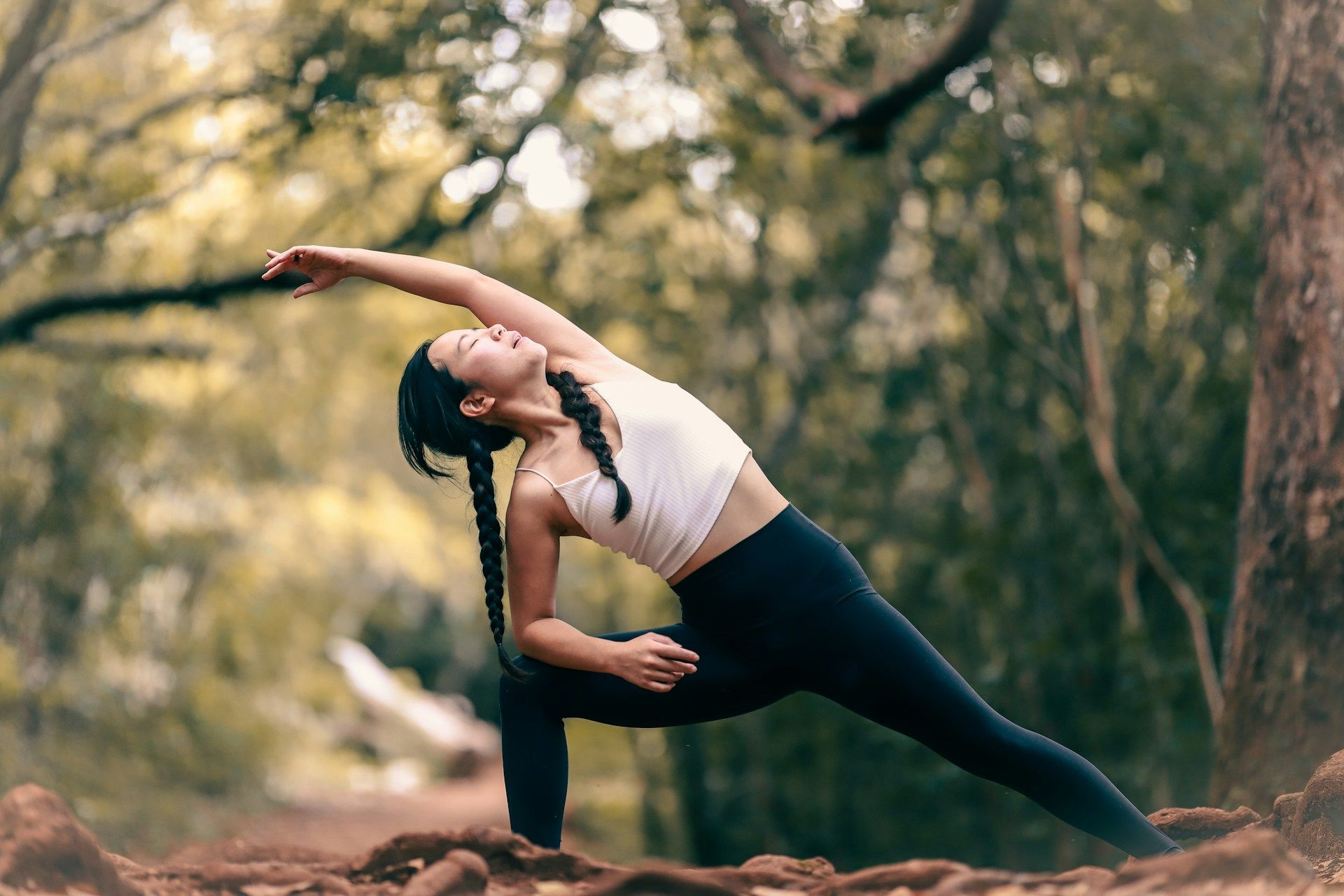
- Standing poses, 15 to 20 minutes: Try Warrior II, Triangle, Side Angle, and a wide-legged forward fold. Stay for 5 to 8 slow breaths in each side.
- Hip openers and closing, 10 to 15 minutes: Low lunge, figure-four on your back, gentle twist, then a short rest in savasana.
Late morning or midday, step outside for a Mission District walk if that is accessible for you, or choose your own nearby neighborhood. Aim for at least 30 to 45 minutes. As you walk, keep the phone tucked away and use your senses:
- Notice color: mural art, fruit stands, flowers in windows.
- Notice sound: voices, buses, music from open doors.
- Notice smell: food, wet concrete, fresh coffee.
Pause in a small park, plaza, or even a quiet corner and take 5 standing breaths. You might reach arms overhead, fold forward with soft knees, or take a gentle side stretch.
In the afternoon, instead of reaching for coffee or another screen, try a 15- to 20-minute nervous system reset. Two options:
- Guided body scan on audio, lying on your back with knees bent over a pillow.
- Legs-up-the-wall: lie on your back, rest your legs on a wall or couch, place one hand on your heart and one on your belly, and follow your breathing.
At some point on Day One, cook or prep simple, grounding food that will feed you for both days. Think warm, easy, and fridge-friendly:
- Roasted root vegetables, like yams, carrots, beets, and onions
- A big pot of lentil or bean stew with greens
- Overnight oats or chia pudding with seasonal fruit and nuts
Store a few portions so Sunday will require very little kitchen time.
Day Two: Fog-Friendly Nature, Deep Rest, and Reflection
Day Two can start softer. Give yourself 30- to 45-minute for a gentle morning practice that focuses on your spine, shoulders, and breath.
Try this simple flow:
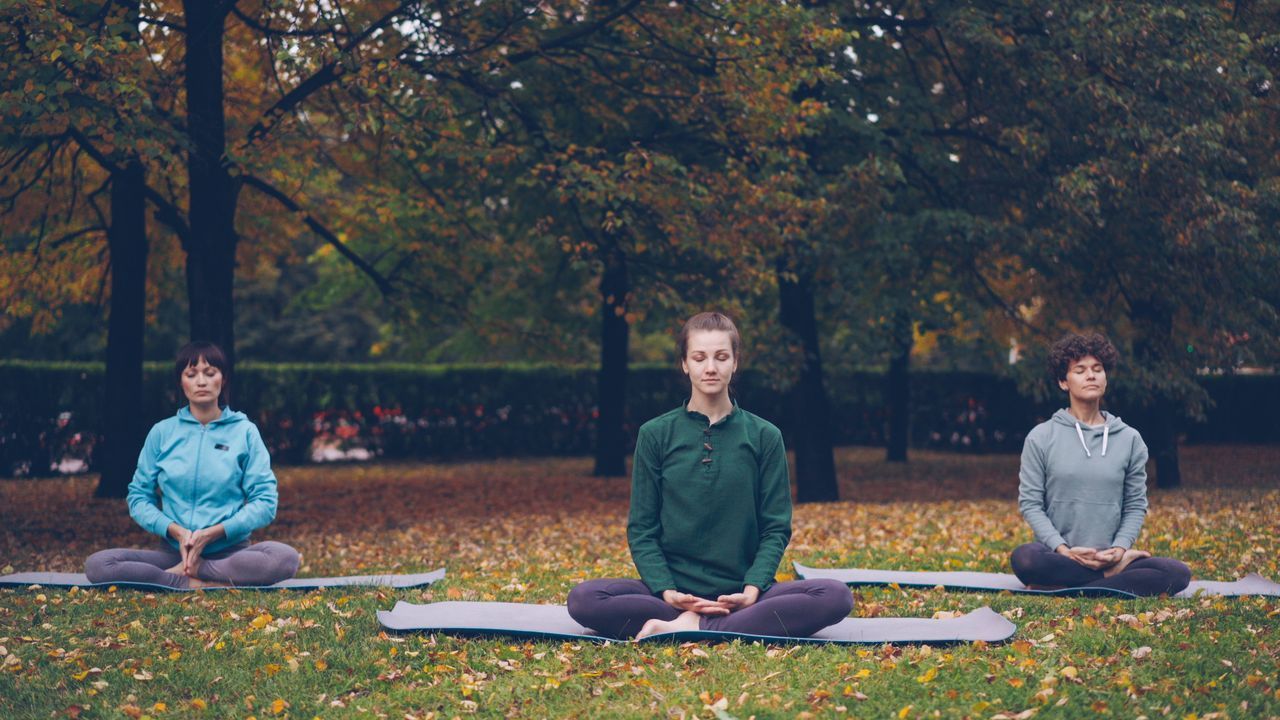
- Seated or lying breath, 5 minutes
- Cat-cow, thread-the-needle, and gentle spinal twists, 10 to 15 minutes
- Shoulder work, like clasping hands behind the back or using a strap, 5 to 10 minutes
- A few slow standing movements, like half sun salutations or gentle side bends, 5 to 10 minutes
Finish with 5 to 10 minutes of seated meditation or journaling about how Day One felt. You might write about shifts in energy, mood, or thoughts that surprised you.
When you are ready, head to a fog-friendly outdoor spot. Golden Gate Park, the Panhandle, or Buena Vista Park all work well for walking in layers and a hoodie. Choose one that feels easy to reach. During your visit:
- Take a short walking meditation: walk a bit more slowly than usual and track each step.
- Pause to feel the air on your skin, even if it is cool and misty.
- Try a few standing poses like Mountain, Tree with your foot on your ankle or calf, or a wide-legged fold.
Later in the day, give yourself a full 60 to 75 minutes for deep home restorative yoga. Use pillows, blankets, and your couch or bed if needed. Here is a simple sequence:
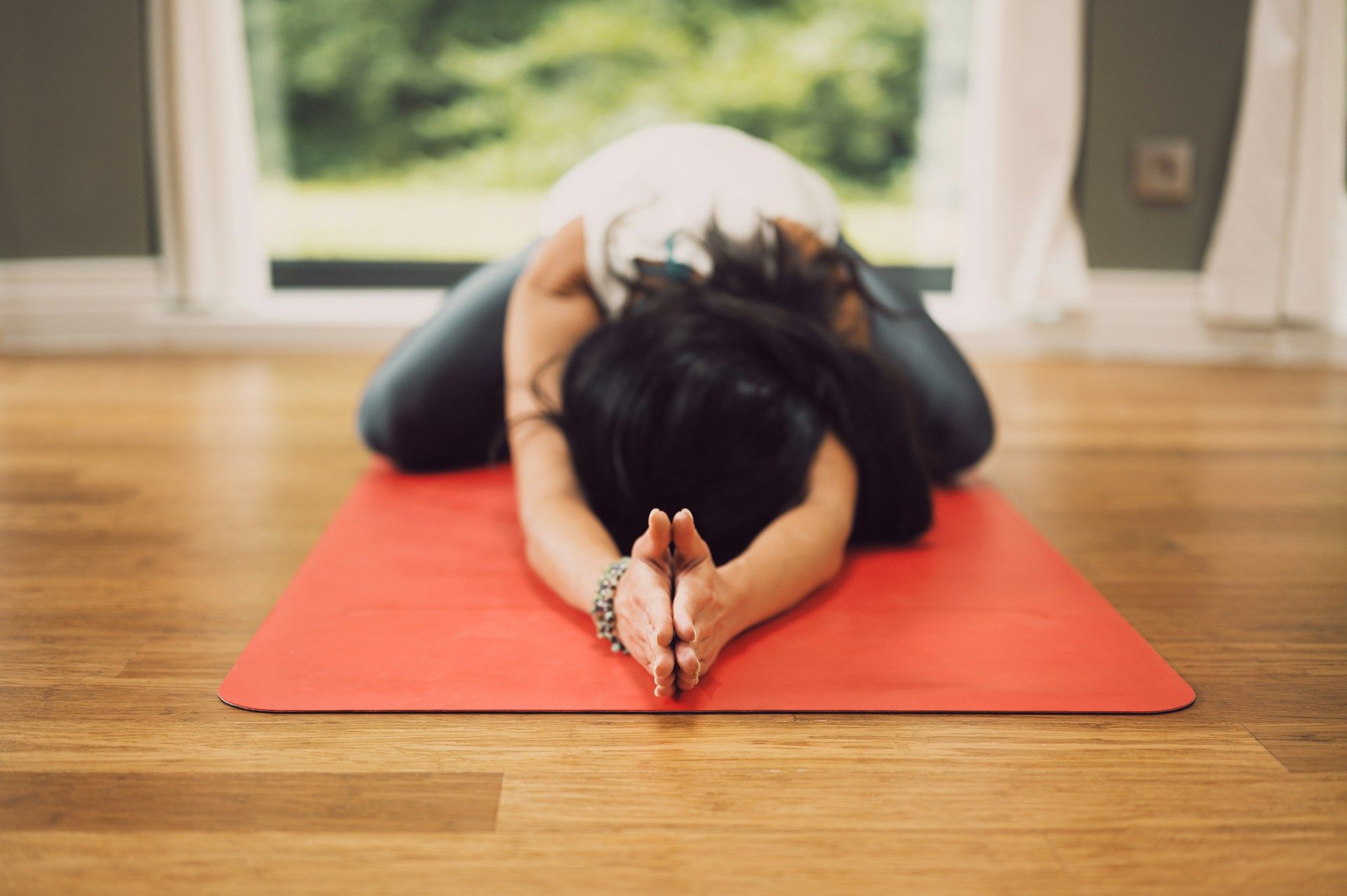
- Supported child’s pose: knees wide, chest resting on stacked pillows.
- Reclined bound angle: lie on your back with soles of feet together, knees supported by pillows.
- Supported forward fold: sit with legs out or crossed, fold over a pillow stack.
- Long savasana: lie on your back or side, cover yourself with a blanket, maybe place a pillow under your knees.
Stay in each pose for 5 to 10 minutes if you can, and keep your breathing easy.
End the evening with a short reflection ritual. In your journal, answer:
- How did I feel before this weekend in body, mood, and energy?
- How do I feel now?
- What surprised me?
Then list 3 things you feel grateful for and one tiny habit you would like to carry into your week, such as a 5-minute stretch before checking your phone.
LGBTQ+ Inclusive Practices to Personalize Your Retreat
For many of us in the LGBTQ+ community, feeling safe and seen in practice is just as important as the poses themselves. Shape your retreat space so it reflects and affirms you.
You might:
- Display queer art, pride flags, or photos that make you feel at home.
- Choose music from queer and trans artists or playlists that reflect your culture.
- Use language in your journal that fits your gender and pronouns, and drop any ideas of what a “yogi body” should look like.
Make your retreat trauma-aware by treating every pose as optional. Options can include:
- Staying seated in a chair for most of the practice
- Swapping any shape for gentle self-massage of hands, feet, face, or scalp
- Spending a whole session resting with one hand on your heart and one on your belly
If you want more connection, you can weave in community without losing your at-home retreat feel. Watch or listen to classes from queer and trans-friendly teachers online, or plan to attend a supportive community class before or after your weekend to stay linked in.
Keep Your San Francisco Yoga Retreat Energy Alive All Week
The power of a DIY San Francisco yoga retreat is not just how you feel on Sunday night, it is how it softens the days that follow. Choose one or two small pieces to repeat during the week so the retreat energy stays with you.
Some ideas:
- A 10-minute morning flow before email
- One foggy neighborhood walk where you leave your headphones at home
- A short Sunday night restorative mini-session with one or two supported poses
You can also blend home practice with local community for a mix of privacy and connection. Dropping into a class with us at Haum Yoga Studio in the Mission District or Haight-Ashbury can give you fresh inspiration, structure, and a reminder that you do not have to do this alone. Over time, you might make this kind of weekend a seasonal ritual, adjusting walks, meals, and poses to match the weather and your energy, so rest becomes a regular, lived part of your San Francisco life.
Reconnect With Yourself On A Transformative Escape
Give yourself the space to reset with a thoughtfully curated
San Francisco yoga retreat designed to support your body, mind, and heart. At Haum Yoga Studio, we create immersive experiences that blend mindful movement, restorative practices, and nourishing community. If you have questions about upcoming dates, accommodations, or what to expect, you can
contact us so we can help you choose the retreat that fits you best.
Recent Posts