Finding Your First San Francisco Yoga Class After Burnout
From Burnout to Breath: Why Your First Class Matters
Finding yoga classes in San Francisco after burnout can feel like one more thing on your never-ending to do list. Long workdays, foggy mornings, crowded commutes, and endless notifications can leave you tired in a way that sleep alone does not fix. By late summer, many of us feel like we have been “on” for months and our bodies are quietly waving a white flag.
Burnout is not just in your head. It can show up in your thoughts, your emotions, and your muscles. Traditional self-care, like a face mask or a weekend brunch, can be nice but often does not touch the deeper exhaustion underneath. When your nervous system is fried, you may need something slower and more steady.
Yoga can be that slow path back. It is not another productivity hack or a way to “optimize” your life. The focus is on breath, rest, and simple movement that reminds you, you have a body, not just a brain that works all the time. Our hope is to help you choose your first, or first in a while, yoga class in San Francisco with care, kindness, and zero pressure to be perfect.
Listening to Your Body After Burnout
After burnout, your body often speaks louder than your thoughts. You might notice:
- Heavy fatigue, like you are moving through fog
- Tight shoulders, jaw clenching, or a stiff low back
- Trouble falling or staying asleep
- A wired feeling, like you are tired and anxious at the same time
- Numbness or disconnection, like you are watching life from the outside
Before you sign up for a class, pause and ask yourself a few simple questions:
- How is my energy today, low, medium, or high?
- Do I crave movement or stillness?
- Do I want to be around people or keep things quiet and small?
- Does my body want structure, or does it need gentleness and rest?
Different yoga styles can support different needs:
- Restorative: very slow, lots of props, mostly resting in supported poses
- Yin: longer holds, gentle floor based stretches, time to breathe and notice
- Slow flow or gentle vinyasa: simple movement with breath, less focus on intensity
- More active vinyasa: steady flow that can build heat, better on days you feel stronger
Choosing an “easy” or gentle class is not a sign of weakness. It is often the bravest choice when you are recovering. You always have agency in your practice. You can rest in Child’s Pose anytime, skip any shape, or leave quietly if your body asks for that. Think of your first class as an experiment, not a performance.
Choosing Yoga Classes in San Francisco That Truly Support You
When you scroll through yoga classes in San Francisco, the language can be confusing. A few common terms, in simple words:
- All levels: people with different experience will be there, teachers often give options
- Gentle: slower pace, more time to rest, usually friendly for newer students
- Flow or vinyasa: poses linked with breath, can range from calm to quite strong
- Power: often more intense and athletic, better for days you feel stable and rested
If you are coming back from burnout, you might look for:
- Trauma-aware language that invites choice instead of pushing
- Inclusive spaces where different bodies, ages, and backgrounds are welcome
- Clear options for props and modifications so you can adjust on any given day
- A culture that does not glorify pushing past your limits
Location and timing matter too. In San Francisco, cooler evenings can make an after-work class feel grounding. Early morning practice can be a soft way to start before your day fills up. Online options can help on weeks when getting across the city feels like too much.
At Haum Yoga Studio, we focus on community-centered classes in our Haight-Ashbury and Mission locations, along with live online offerings. Our schedule includes options for beginners and for people returning after time away, so you can find the level of support you need.
What Your First Class at Haum Might Actually Feel Like
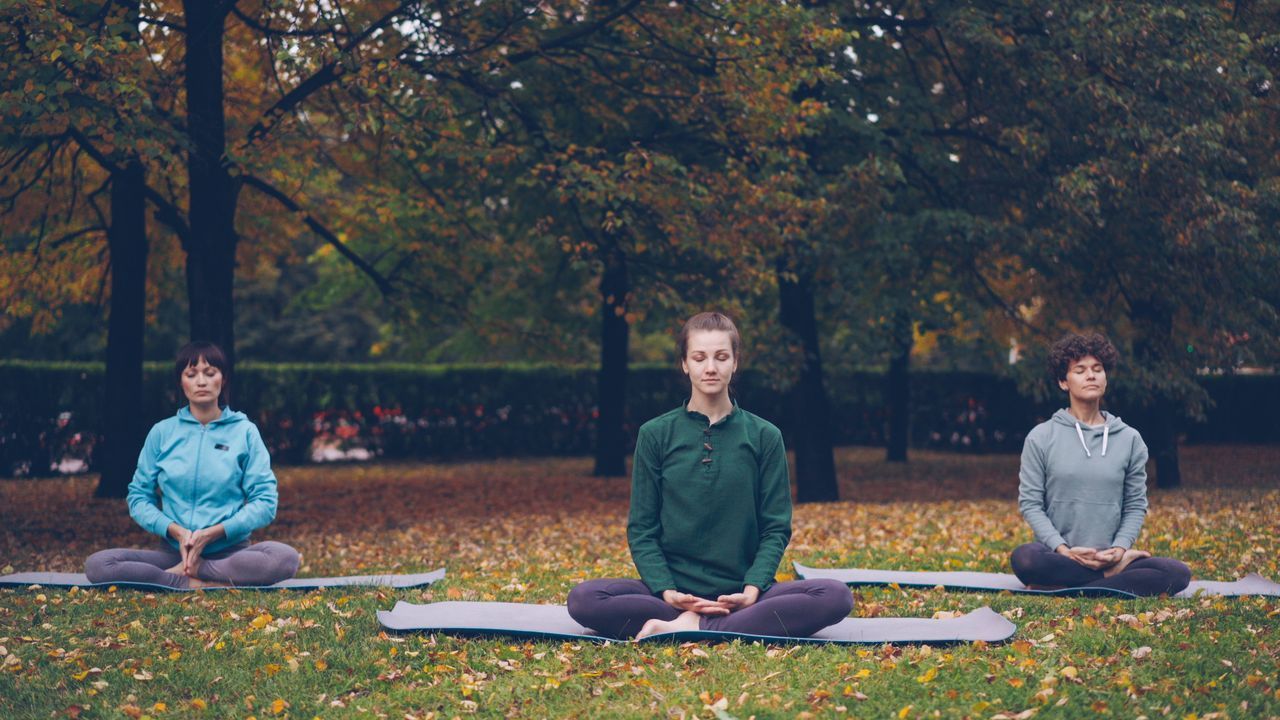
Your first time walking into a studio again can feel tender. On a typical San Francisco evening, you might step in from the chill or late sun and feel the air shift to something quieter. You are greeted by a human, not a check-in machine, and you find a space for your mat with the gentle hum of others settling in.
A beginner-friendly or gentle class often moves like this:
- A few minutes to arrive, maybe seated or lying down, with simple grounding
- Easy breath awareness, noticing air moving in and out without forcing it
- Accessible movement like Cat-Cow, gentle twists, and simple standing poses
- Optional challenges if you feel curious, with clear options to back off
- A longer rest at the end, with blankets or props, where you do not have to do anything
Many new or returning students worry about not being flexible enough, not knowing pose names, or feeling out of place. Our teachers speak in clear, simple language and model shapes with care. You are not expected to know anything before you walk in.
The wins in that first class may be small but meaningful:
- Your jaw softens for the first time all day
- You notice your shoulders drop away from your ears
- You take a full, deep breath without trying
- You feel a bit less alone, sitting or lying near others who are also human and tired
You might leave not “transformed” but just a little more spacious in your mind, which is enough for a first step.
Building a Sustainable Practice Without Burning Out Again
Burnout recovery works best when we think in seasons, not sudden overhauls. Late summer and early fall in San Francisco can be a natural time to reset, but you do not need a dramatic plan. Simple and steady is kinder.
A few ways to fold yoga into a busy city life:
- Start with 1 or 2 classes per week, and allow some weeks to be lighter
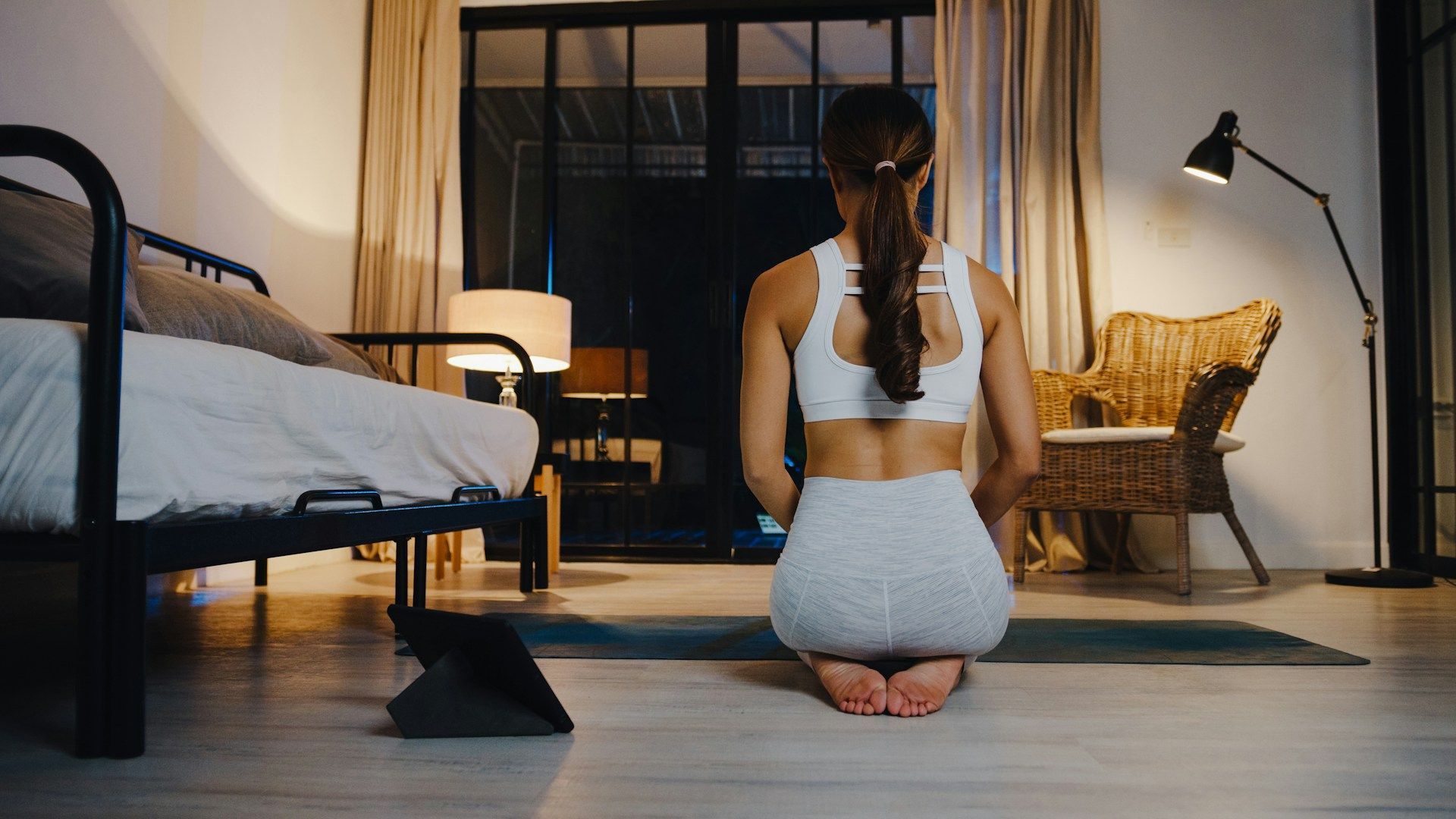
- Add short online sessions at home when travel or work is intense
- Choose classes that leave you feeling calmer, not drained
- Notice how sleep, mood, and stress shift over time, not after a single class
To avoid “wellness burnout,” it can help to shift your mindset:
- Let go of the idea of doing yoga “perfectly”
- Celebrate tiny steps, like showing up even when you are tired
- Honor rest days as part of the practice, not a failure of discipline
At Haum Yoga Studio, our workshops, series, and online classes are designed to support an evolving practice. You might begin with softer classes that help your nervous system settle, then slowly add options that build strength and resilience as your energy returns.
Take Your Next Step Back to Yourself
Your next step does not have to be big. You might pick one gentle class on the schedule, sign up for a slow evening flow, or choose a short online practice you can do without leaving home. What matters is that your choice matches how you feel today, not how you think you should feel.
There is no “too late” and no “too out of shape” for yoga. If you treat the next month as an experiment, you can try a few different yoga classes in San Francisco and simply notice: Do I sleep a little better? Do my shoulders feel softer? Is my mind a tiny bit quieter?
Recovery from burnout is not about fixing yourself. It is about coming back to yourself, one breath, one class, and one shared moment of presence at a time.
Deepen Your Practice With Supportive, Local Guidance
If you are ready to turn inspiration into a consistent practice, explore our current schedule of
yoga classes in San Francisco and find the sessions that fit your life. At Haum Yoga Studio, we create a welcoming space where you can move, breathe, and reconnect with yourself at your own pace. If you have questions about which class is right for you or how to get started, please
contact us so we can help you take the next step with confidence.
Recent Posts