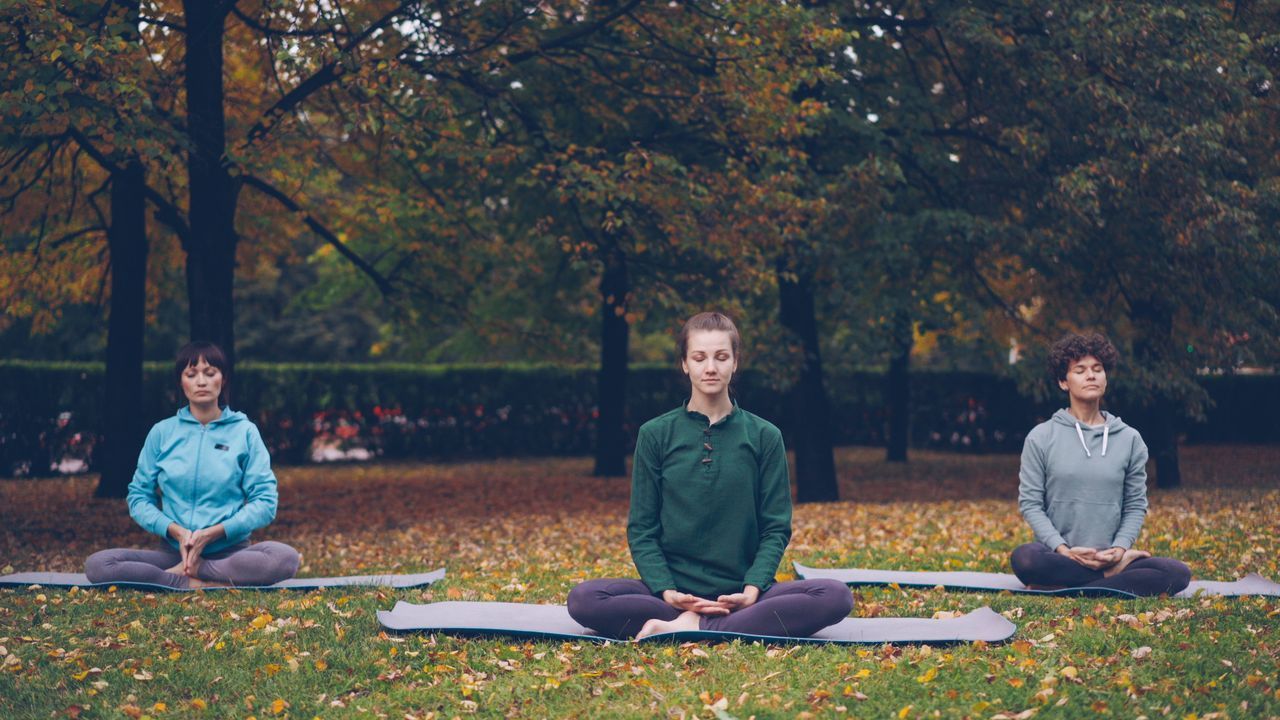

Inside San Francisco Yoga Teacher Mentorship at Haum
Step Into Mentorship: From Teacher to Leader
Becoming a yoga teacher after SF yoga teacher training can feel both exciting and confusing. You have a certificate, you love the practice, but standing in front of a full room of students is a very different thing than being on your mat. Many new teachers are left wondering how to move from theory to real, grounded teaching.
At our San Francisco studios, late-summer mornings have their own rhythm. The fog pulls back, light spills into the rooms, students pad in with coffee in hand, and mats whisper open across the floor. In that quiet buzz, teachers are not just leading classes; they are shaping culture, setting tone, and holding space for people who need a place to land.
That is where mentorship comes in. Between your first 200-hour training and feeling steady as a leader, there is a gap. At Haum, we see mentorship as the bridge, a clear and caring container where teachers refine their voice, sharpen their skills, and learn how to lead with honesty and confidence in a busy SF yoga scene. We will share why mentorship matters after training, how our process works behind the scenes, what you actually learn, and how it all supports a long-term, sustainable path as seasons shift and schedules fill.
Why Mentorship Matters After SF Yoga Teacher Training
A 200-hour SF yoga teacher training gives you the basics. You study alignment, philosophy, sequencing, and practice teaching. But when certification ends, many teachers hit what we call the post-certification dip. You know a lot in your head, but your body and voice have not caught up yet.
Without support, that dip can feel like:
- Overthinking every cue and transition
- Worrying you will forget the sequence mid-class
- Feeling unsure about how to address diverse student needs
- Questioning if you are "good enough" to teach in real studios
Mentorship steps into that gap. Instead of guessing, you receive real-time feedback on your teaching in actual rooms, with actual students breathing and moving at our Mission and Haight-Ashbury spaces. A mentor can watch you teach, notice what you do well, and help you fine-tune the pieces that feel clunky or confusing.
The benefits are both emotional and practical. You get:
- Accountability to keep teaching and practicing, not just thinking
- Support through imposter syndrome and comparison
- Guidance to shape a schedule that fits your life as fall routines kick in
- Space to process hard moments and celebrate progress
Most of all, mentorship turns information into integration. You stop clinging to memorized scripts and start teaching from your own understanding of yoga. Your classes feel less like reciting and more like a real conversation with the room.
How Haum Mentorship Works Behind the Scenes
Mentorship at our studios is structured but human. It usually runs for a set number of months so there is enough time to see real change, without dragging on forever. During that time, you work closely with an experienced Haum teacher who is actively teaching in our community.
Here is what you can generally expect:
- Regular one-on-one mentor meetings for focused support
- Small group check-ins with other mentees for shared learning
- Observation hours where you watch classes with a trained eye
- Opportunities to assist live classes in our SF studios
Month-by-month, the work deepens. Early on, you and your mentor set clear goals. Maybe you want stronger cueing, more confident presence, or more skill with slower, grounding flows. From there, each month centers around one or two main skills, like:
- Cueing and language
- Hands-on or verbal support
- Theming and weaving purpose into class
- Sequencing for different levels and bodies
You practice teaching under supervision, then come back together to reflect. What felt good? What felt sticky? What surprised you? Your mentor gives specific feedback, not vague encouragement, so you know exactly what to work on next.
Matching is a key part of the process. We look at:
- Your preferred style, like vinyasa, slower flows, or more restorative work
- Your interests, such as trauma sensitivity or subtle body focus
- Your schedule and availability
Support goes beyond asana. Mentors help with class plans, sequence reviews, demo video feedback, and professional questions. You also learn strategies to care for your energy so you do not burn out as your teaching load grows in the fall.
From Cueing to Connection: Skills You Actually Develop
Most new teachers think cueing and sequencing are the whole job. They are big parts, but mentorship helps you see everything else that sits underneath strong teaching.
On a practical level, you build skills like:
- Clear, simple, inclusive cues that land for many bodies
- Thematic class design that feels cohesive, not forced
- Safe, smart sequencing that supports joints and nervous systems
- Reading the room in real time and adjusting on the spot
You also grow in how you hold people. Teaching in San Francisco means holding space for a wide range of students, of life stories, and needs. Mentorship supports you as you learn:
- Basics of trauma sensitivity and choice-based language
- How to handle late arrivals, early leavers, and chatty corners
- What to do when a student has an emotional response mid-class
- How to build community instead of just directing movement
Then there is the inner work. Many teachers feel shaky in their bodies or voice when they start. Together with your mentor, you explore:
- Self-awareness, so habits and triggers do not run the show
- Nervous system tools to ground before and after class
- Voice projection and tone that feel natural for you
- Loosening the grip of perfectionism and fear of making mistakes
By the end of mentorship, our aim is that you can step into a busy fall class with a steady breath and a clear plan, while still staying flexible. You know how to guide students who are seeking grounding as the city speeds up after summer, and you trust yourself to lead.
Building a Sustainable Teaching Path in San Francisco
Teaching yoga in SF is rich and rewarding, but it is not simple. The cost of living is high, studio cultures differ, and it is easy to overbook yourself trying to say yes to every opportunity. Without clear structure, even passionate teachers can feel drained.
Mentorship includes honest talk about the real-life side of teaching, like:
- Building a schedule that leaves room for rest and personal practice
- Setting clear boundaries around communication and time
- Balancing group classes with private sessions, workshops, or retreats
- Choosing where and how you want to show up in the city
You also get support on professional basics that often get skipped in SF yoga teacher training, such as:
- Writing a simple, clear teaching bio
- Communicating with studio managers with respect and clarity
- Setting up rates and policies for private sessions
- Using social and digital tools in a way that still feels like you
Community building is another key thread. Mentorship invites you to connect with peers, share ideas, and sometimes collaborate on seasonal offerings, like intention-setting series or back-to-routine programs. Through all of this, you keep returning to your own practice so that what you share comes from lived experience, not just words.
In the end, mentorship at Haum is not only about getting more classes. It is about building a teaching life that feels aligned with your values, sustainable over time, and spacious enough for you to keep growing as a human, not just as an instructor.
Join the Next Wave of SF Yoga Leaders at Haum
If you have completed SF yoga teacher training, or you are considering it, mentorship is a natural next step. As late summer gives way to more structured routines, studios fill again with students ready to recommit to their practice. This is a powerful moment to invest in your growth as a teacher.
We invite you to learn more about the mentorship options at Haum Yoga Studio, explore the teachers who mentor in our program, and get curious about which path feels right for you. Spend time in our Haight-Ashbury or Mission studios, take class, and notice how it feels to be in the room. That same room might soon be where you stand at the front, grounded, clear, and fully yourself, leading the kind of classes San Francisco students remember and return to.
Deepen Your Practice With Expert Support
If you feel called to share yoga more confidently, our SF yoga teacher training offers personalized guidance to help you grow as both a practitioner and teacher. At Haum Yoga Studio, we focus on real-world teaching skills, thoughtful sequencing, and the inner work that keeps your practice authentic. We are here to answer your questions, help you explore next steps, and find the right fit for your goals. To connect with our team and start the conversation, simply contact us.
Recent Posts