
Signs Your San Francisco Yoga Practice Needs More Restorative Time
When Your Yoga Practice Starts Working Against You
A strong yoga practice usually feels like a good kind of challenge. You sweat, breathe deeper, and walk out of class feeling clear and steady. But there comes a point when more heat, more power, and more effort stop helping and start draining you. That is often the moment your body and mind are asking for more restorative yoga in San Francisco, not another intense flow.
As days get longer and social calendars fill up, it is easy to keep matching the city’s speed with your practice. More meetings, more late nights, more classes, more goals. If your yoga is starting to feel like one more thing to crush, it can mirror the same push that already exists in your work and social life. Restorative yoga works like the brake pedal that balances your gas pedal practice so you can protect your nervous system, recover deeply, and actually enjoy your time on the mat. In this article, we will walk through the clearest signs your body, mind, and practice are asking for more stillness, along with simple ways to bring that balance back.
Your Body Is Whispering… Then Shouting for Rest
Our bodies usually speak softly at first. If we do not listen, they get louder. Some early red flags:
- Soreness that hangs around for days, even when you are practicing regularly
- Feeling stiff every morning, like you never really loosen up
- The same nagging tweaks in your wrists, low back, or shoulders
- Headaches, jaw clenching, or tension in your neck after class
There is a big difference between feeling worked in a good way and feeling wiped out. Good fatigue feels grounded and calm. You might feel pleasantly tired, but you sleep well and wake with some lightness in your body. Systemic depletion feels different. You might notice:
- Heavy limbs that do not bounce back between classes
- Sleep that is shallow or broken, no matter how tired you are
- Needing a nap or caffeine hit after yoga instead of feeling refreshed
When we only stack power, heated, or high-intensity classes, we keep stirring the part of the nervous system that is wired for action. That constant push can slow down recovery, make small injuries linger, and leave our immune system working harder than it needs to. Restorative work invites the opposite response, the part of the nervous system that supports repair, digestion, and hormone balance.
In San Francisco, this is common for people who spend long hours at a desk, commute by bike or scooter, hike on weekends, and then layer on frequent strong flow classes. The body never gets true off time. If this sounds familiar, your practice is asking for more stillness, more props, and more supported shapes.
Your Mind Feels Busy Even in Savasana
Another clear sign you need more restorative yoga is what happens in the quiet moments of class. You might notice your thoughts racing while you hold poses. You might feel impatient when a teacher slows down the sequence or holds a stretch longer than you would like. Maybe you catch yourself checking the clock, wondering how long until you can move again, or feeling bored in final rest.
City life keeps our minds on high alert. Constant notifications, full sidewalks, shared workspaces, and general noise all train the brain to scan and respond quickly. Even when you step into a yoga studio, that habit does not switch off right away. Your body might be on the mat, but your mind is still answering emails, tracking plans, or replaying a conversation.
Restorative yoga offers a different kind of structure. Longer holds, heavy blankets, bolsters, and blocks send clear signals of safety to the nervous system. When your body feels supported from every angle, your mind has permission to slow down. With enough time in stillness, thoughts start to space out, emotions can move through, and your attention can reset.
In early summer, there is often more travel, visitors, rooftop hangs, and social events on top of work projects. It can be fun, but also a lot for the mind to process. That is exactly when mental rest becomes just as important as physical strength.
Your Practice Metrics Matter More Than Your Inner State
City yoga culture can sometimes slide into performance mode. You might notice yourself tracking:
- How many classes you took this week
- Whether you nailed a certain arm balance or a deeper backbend
- What your heart rate or watch data says about your “effort”
- How you stack up against other people in class
There are also more subtle clues. Maybe part of you believes that restorative or slower classes do not really count. Maybe you feel guilty when you skip a sweaty flow, or you push yourself to practice even when your body feels off, just to keep a streak going. Slowly, the numbers and shapes start to matter more than how you actually feel.
When we overvalue output and undervalue rest, the practice can plateau. We get frustrated, or we forget why we started yoga in the first place. Many of us came to the mat for stress relief, presence, and self-care, not just for the hardest poses. Weaving restorative yoga in San Francisco into your week helps reset the scorecard. Progress becomes less about what you achieved physically and more about:
- How calm your nervous system feels
- Whether you fall asleep more easily
- How steady your mood feels through normal ups and downs
- How much joy and curiosity you bring to class
Your Daily Life Feels Less Spacious Than Your Mat
Your yoga practice does not end when you roll up your mat. One of the clearest signs you need more restorative time shows up in the rest of your day. For example:
- Snapping at people in traffic or on Muni faster than usual
- Feeling overwhelmed by crowds or noise, even in familiar places
- Leaning hard on caffeine to start the day and wine to unwind
- Numbing out with endless scrolling at night because you are too wired to rest
San Francisco can be loud and full of input. Sirens, construction, events, open offices, pop-ups, and constant things to do keep your system switched on, even if your movement routine looks “healthy” from the outside. If yoga is only used to burn off energy, the nervous system never really learns how to rest while awake.
Restorative practices help widen your window of tolerance, the range in which life feels manageable. Instead of crashing or snapping under stress, you have a bit more space inside yourself to respond. Early summer often adds more outdoor events, festivals, and weekend adventures. Without clear downtime, boundaries get blurry and your personal energy thins out. Restorative time becomes the quiet anchor that keeps your clarity and emotional bandwidth intact.
Simple Shifts to Welcome More Rest Into Your Practice
You do not have to overhaul your whole routine to get the benefits of more rest. A few simple shifts can make a big difference:
- Swap one power or vinyasa class each week for a restorative, yin, or very gentle class
- Shorten your strong home practice and spend the last 15 to 20 minutes in supported shapes
- Add legs-up-the-wall at the end of any flow to downshift your nervous system
For city living, micro-restorative rituals can help:
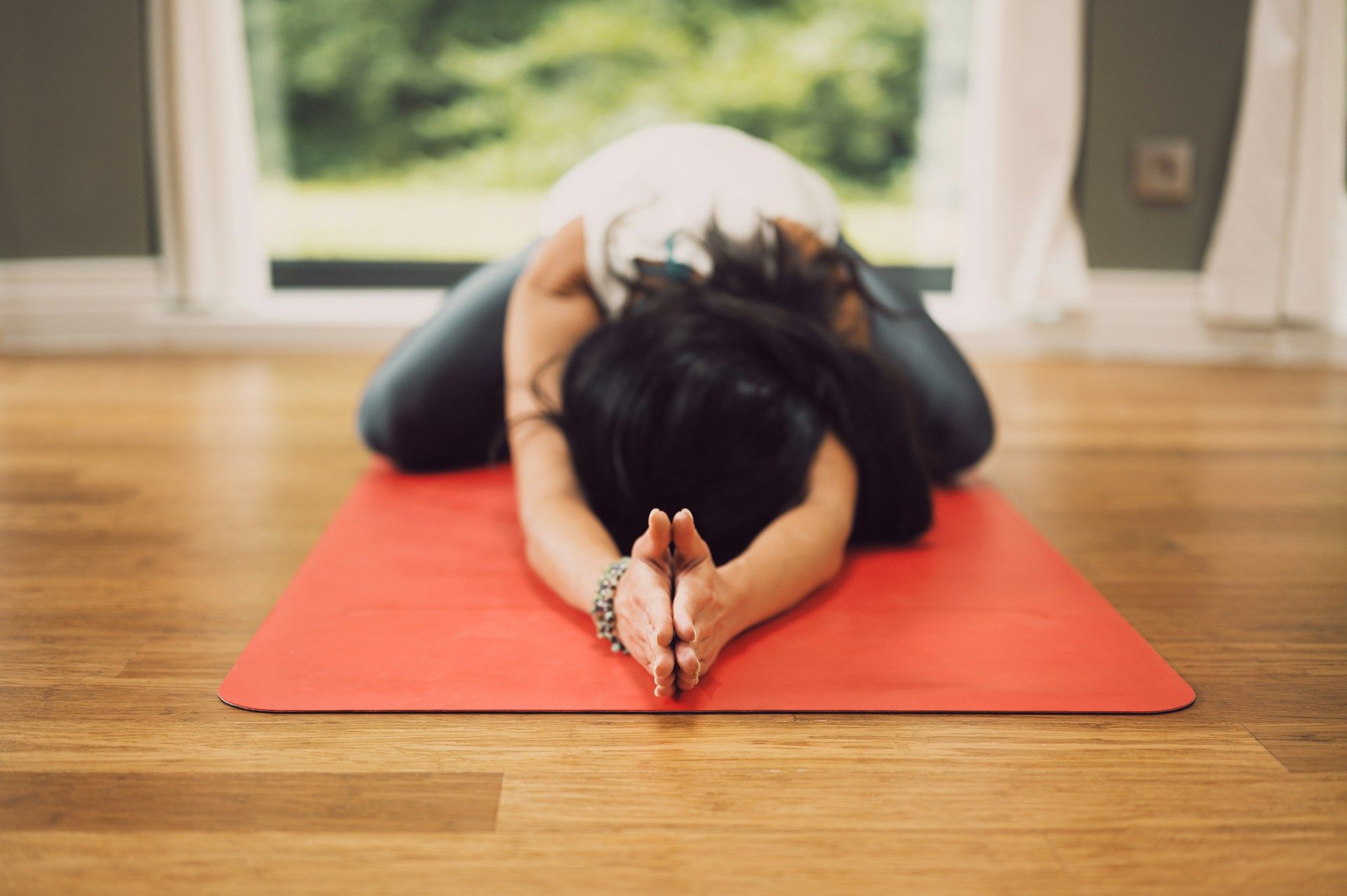
- A five-minute supported child’s pose when you get home from biking or commuting
- A short prop supported sequence before bed, especially on brighter evenings
- A quiet, restorative “reset” between the end of your workday and evening plans
At Haum Yoga Studio in the Mission and Haight-Ashbury, we hold space for both the fire and the softness of practice. Alongside stronger flows, we offer slower and restorative options, private sessions that can be tailored for recovery, and special events that focus on nervous system care. As you reflect, notice which signs in this article feel familiar. Your practice might be gently asking for more rest, more support, and more time to simply be.
Rebalance Your Mind And Body With Gentle Support
If you are ready to soften stress and move with more ease, explore our
restorative yoga in San Francisco offerings tailored to all experience levels at Haum Yoga Studio. We create a quiet, nurturing space where you can unwind, reset, and reconnect with yourself. If you have questions about which class is right for you or how to get started, please
contact us so we can help you choose the support you need.
Recent Posts